
Raising Awareness
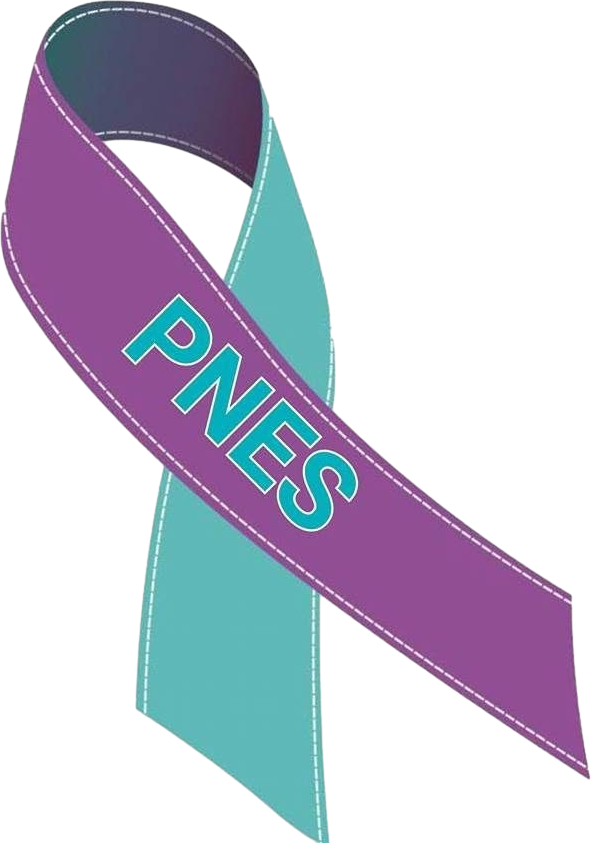
PNES Awareness
Psychogenic Nonepileptic Seizures (PNES) — understanding, compassion, and early diagnosis save lives.

Why This Matters to Us
Giovanni's Story and PNES
In August 2023, Giovanni D'Agostino was diagnosed with Psychogenic Nonepileptic Seizures (PNES). Like many who receive this diagnosis, he and his family navigated a landscape of uncertainty, limited public awareness, and the challenge of finding proper support.
The Foundation is committed to honoring Giovanni's memory by raising awareness of PNES — helping families, students, and communities recognize the signs, understand the diagnosis, and find the help they need. No family should face PNES alone.
Forever 17
Education
Understanding PNES
What is PNES?
Psychogenic Nonepileptic Seizures (PNES) are episodes that look like epileptic seizures but are not caused by abnormal electrical activity in the brain. They are instead linked to psychological and emotional stress.
Not Epilepsy
Unlike epilepsy, PNES seizures do not respond to antiepileptic medications. Many patients are misdiagnosed for years before receiving a correct PNES diagnosis.
Widely Underdiagnosed
PNES affects an estimated 2-33 people per 100,000. Many patients go undiagnosed for an average of 7 years, often being treated incorrectly for epilepsy during that time.
Diagnosis
The gold standard for diagnosing PNES is Video-EEG monitoring, which captures a seizure episode while recording brain activity to confirm the absence of epileptic activity.
Treatment
PNES is typically treated through psychotherapy, particularly Cognitive Behavioral Therapy (CBT). Addressing underlying trauma, stress, or mental health challenges is key to recovery.
You Are Not Alone
PNES is often misunderstood and isolating. But recovery is possible. Connecting with specialists who understand PNES and seeking proper mental health support makes a meaningful difference.
Warning Signs
Signs & Symptoms
Common Presentations
- • Shaking, jerking, or convulsing
- • Staring spells or unresponsiveness
- • Falling or sudden collapse
- • Temporary loss of awareness or memory
- • Changes in breathing or movement
Key Differences from Epilepsy
- • No abnormal brain electrical activity on EEG
- • Do not respond to epilepsy medications
- • May increase under emotional stress
- • Patient may recall events during episode
- • Often triggered by identifiable stressors
Help & Support
Resources
National Alliance on Mental Illness (NAMI)
Mental health support, advocacy, and resources.
Visit Resource →American Psychological Association (APA)
Find a licensed psychologist or therapist for PNES treatment.
Visit Resource →You Are Not Alone
Spread Awareness
Help us reduce stigma, improve understanding, and support families navigating a PNES diagnosis. Share this page, donate to the Foundation, or reach out to get involved.